Fat accumulation in the abdominal area is not seen by many people as merely an aesthetic issue. Sometimes it affects clothing choices, and sometimes it makes body proportions look different than they really are. Despite regular nutrition and exercise, this condition may remain persistent in some individuals.
Especially stubborn fat tissue that accumulates around the abdomen may not always tighten to the desired degree, even after weight loss. For this reason, belly fat removal surgery has become one of the most researched topics in body contouring.
Body aesthetic procedures such as liposuction and tummy tuck are among the areas of expertise of Assoc. Prof. Dr. Ulaş Bali.
When belly fat removal surgery is mentioned, it does not actually refer to the same procedure for every patient. For some people, the main need is simply the removal of excess fat tissue. For others, a more comprehensive evaluation is required because additional issues such as sagging, excess skin, or looseness in the abdominal muscles may be present.
Therefore, the right approach should be determined not with a sole focus on “fat removal,” but with a plan that takes the overall structure of the abdominal area into account. The difference between a tummy tuck and liposuction becomes especially important at this point, because liposuction mainly targets fat accumulation, whereas a tummy tuck offers a different solution for problems such as excess skin and muscle laxity.
What Is Belly Fat Removal Surgery?
Belly fat removal surgery is most often associated with liposuction. Liposuction is a surgical procedure aimed at selectively removing excess fat that has accumulated in certain parts of the body. This procedure is considered not as a weight-loss method, but as a regional contouring treatment.
It is one of the methods preferred especially for abdominal fat deposits that remain resistant despite diet and exercise. In Ulaş Bali’s related treatment content, liposuction is also described not as a weight-loss solution, but as an intervention that helps shape the body’s natural form.
The important point here is that the decision for belly fat removal surgery should not be made based solely on outward appearance. The distribution of fat in the abdominal area, skin quality, the degree of sagging, the person’s overall health condition, and expectations should all be evaluated together. Some people want only a flatter-looking abdomen, while in others the goal may be a more defined waistline or a more balanced appearance throughout the midsection. For this reason, the treatment plan varies from person to person.
Is the Same Method Suitable for Every Abdominal Area?
No. The abdominal area is not assessed the same way in every patient. Liposuction may be sufficient for someone with only superficial fat accumulation, whereas a tummy tuck may be considered a more suitable option for people with pronounced excess skin and separation of the abdominal muscles.
It is stated that in a tummy tuck, excess skin can be removed through a horizontal incision, the abdominal muscles can be tightened, and liposuction can also be added when necessary to support the result. This shows that the topic of belly fat removal surgery cannot be reduced to fat tissue alone.
Especially for people who experience abdominal looseness after pregnancy, reduced skin elasticity after frequent weight fluctuations, or not only fat but also sagging, the evaluation should be more comprehensive. For this reason, the most accurate result is achieved with a method determined according to the person’s anatomy. Plans based on fixed templates may not provide a natural and balanced appearance.
Who May Consider Belly Fat Removal Surgery?
This procedure is generally researched by people who have stubborn fat accumulation around the abdomen and aim for a more balanced body contour. However, candidate assessment is not based solely on aesthetic expectations.
Overall health status, skin structure, the level of expectation from the procedure, and the current structure of the abdomen should all be considered together. Realistic expectations are one of the most important parts of this process. Belly fat removal surgery is not a substitute for lifestyle; rather, it is a surgical option that supports body contouring in the appropriate patient. In Ulaş Bali’s content, attention is also drawn to the importance of healthy lifestyle habits for maintaining results after liposuction.
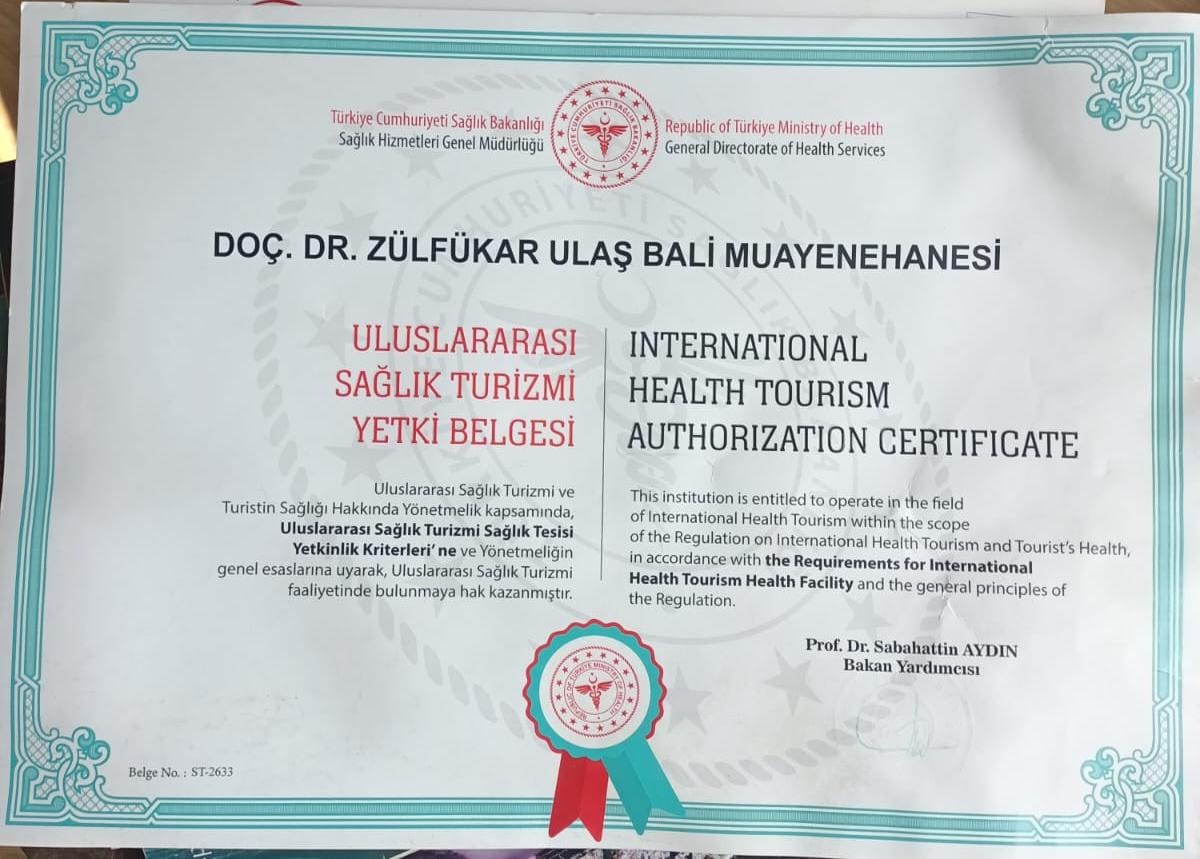
Assoc. Prof. Dr. Ulaş Bali completed his education in plastic and reconstructive surgery at Dokuz Eylül University Faculty of Medicine and Celal Bayar University Faculty of Medicine, worked at different hospitals, and has performed more than 35,000 successful operations. In a field like this, experience matters not only in terms of technical application, but also in deciding which approach is appropriate for which patient.
How Is the Process Planned?
The first step in planning belly fat removal surgery is a detailed examination. The amount of fat in the abdominal area, the location of that fat, whether there is skin laxity, and, when necessary, whether there is separation in the abdominal muscles are evaluated. After that, it becomes clear which procedure is suitable. In some cases, only liposuction is considered, while in others a more comprehensive plan may be created together with a tummy tuck. In Ulaş Bali’s body aesthetics approach, emphasis is placed on personalized planning with advanced techniques and on a harmonious body silhouette.
At this point, the most critical issue is not to approach the procedure with the mindset of “removing as much fat as possible.” In content about liposuction before and after, it is stated that a good result means not taking out the greatest amount of fat, but achieving a harmonious body balance. This perspective is important, because the goal in aesthetics is not merely to reduce volume, but to create a proportional and natural appearance.
What Should Be Known About the Recovery Process?
The recovery process after belly fat removal surgery may vary depending on the method used. In the blog content on the site, it is stated that procedures performed for belly fat removal generally take between 1 and 3 hours depending on the technique and the amount of fat removed; that many patients can return to daily activities in about a week; and that full recovery may take several weeks. In another piece of content, it is stated that initial recovery after liposuction may take 1–2 weeks, while the final result may settle over a longer period of time.
The point that needs attention here is that the same recovery speed should not be expected for everyone. The scope of the procedure, the body’s response, and the technique used may affect the process. For this reason, it is important for the patient to be guided with realistic information both before and after the procedure. Lasting and satisfying results depend not only on the operation itself, but also on careful follow-up afterward.
Are the Results Permanent?
It is stated that the fat cells removed after belly fat removal surgery do not return, but preserving the result is related to lifestyle. In other words, nutrition, activity level, and general lifestyle habits remain important after the procedure. For this reason, this surgery should not be seen as an unlimited and permanent “solution” on its own. A more accurate statement is that it is a body contouring procedure that can provide a visible contour improvement in the right candidate and can lead to higher satisfaction when supported by a healthy lifestyle.
Belly fat removal surgery is a body contouring process that targets stubborn fat in the abdominal area and can be planned with different methods depending on the individual. However, the same solution is not suitable for every abdomen. Liposuction may be enough for some patients, while for others a tummy tuck or a combined approach may be more appropriate. For this reason, proper evaluation is just as important as the procedure itself.
A successful aesthetic result is not simply looking slimmer, but achieving an abdominal contour that is more balanced, more natural, and more suitable for the individual. Assoc. Prof. Dr. Ulaş Bali’s educational background in plastic and reconstructive surgery, his work in procedures such as liposuction and tummy tuck, and his extensive case experience provide an important framework that reminds us that procedures such as belly fat removal surgery should be evaluated on a personalized basis.