Liposuction is one of the most common body contouring procedures, and one of the first questions patients ask is how long recovery will take. Knowing what to expect at each stage makes it easier to plan time off work, arrange help at home, and stay patient while the final shape develops. This week by week guide explains the typical liposuction recovery process, from the first days after surgery to the moment the final result becomes visible.
Every patient heals differently. The extent of treatment, the number of areas, the technique used, and individual health all affect the pace of recovery. The timeline below reflects a common pattern, and your surgeon’s personal instructions always come first.
The First 48 Hours
The first two days are usually the most uncomfortable. Patients often feel sore, tight, and tired, similar to the sensation after an intense workout. Some fluid may leak from the small incisions during this period. This is normal and is the remaining tumescent solution leaving the body.
- A compression garment is worn from the end of surgery.
- Short, gentle walks around the home are encouraged to support circulation and reduce the risk of blood clots.
- Pain is usually well controlled with prescribed medication.
- Drinking enough fluids and resting are the main priorities.
Week One: Swelling and Bruising Peak
Swelling and bruising usually reach their highest level within the first week. The treated areas may look larger than before surgery for a short time, which can be surprising. This is a normal part of healing and does not reflect the final result.
Most patients can manage light daily activities by the end of the first week. Those with desk based jobs often return to work after five to seven days, depending on how many areas were treated. Showering is usually allowed after the first day or two, following the surgeon’s guidance.
Week Two: Feeling More Like Yourself
By the second week, bruising begins to fade and energy levels improve. Some areas may feel firm or lumpy as the tissues heal. Numbness or tingling in the treated skin is common and usually improves gradually over the following months.
Many surgeons recommend lymphatic drainage massage from around this stage. This gentle technique helps the body clear fluid and can make the tissues feel softer. The compression garment is still worn most of the day.
Weeks Three and Four: Returning to Routine
Most visible bruising has gone by the third week. Swelling continues to decrease, although it may fluctuate, often becoming more noticeable in the evening or after a long day on your feet. Light exercise such as walking at a brisk pace is often allowed, but intense training is usually still avoided.
At this stage, the new contour begins to show, but it is still far from final. Comparing your body day by day is not helpful, because swelling changes constantly. Looking at photos taken a few weeks apart gives a more realistic picture.
Weeks Five and Six: Building Back Activity
Around the sixth week, many patients are cleared to return to most forms of exercise, including gym training. The compression garment may be reduced to part time use or stopped, depending on the surgeon’s advice. Clothes often start to fit differently as the shape becomes clearer.
Months Two and Three: The Shape Settles
Between the second and third month, the majority of swelling has resolved. The treated areas feel softer and more natural. Patients often describe this stage as the point when they first feel confident about the result.
Months Three to Six: The Final Result
The final result of liposuction usually becomes visible between three and six months after surgery. Minor residual swelling, especially in areas such as the lower abdomen or thighs, can take this long to settle completely. The skin also continues to adapt to the new contour during this period.
For detailed techniques such as hi-def liposuction, the full definition may take closer to six months to appear.
What Affects the Length of Recovery?
Two people who have liposuction on the same day may recover at slightly different speeds. Several factors influence this:
- Number of treated areas: Treating the abdomen, flanks, and thighs in one session leads to more overall swelling than treating a single area.
- Volume of fat removed: Larger volumes usually mean a longer period of swelling and fatigue.
- Combined procedures: Liposuction combined with a tummy tuck, fat transfer, or breast surgery follows the recovery timeline of the larger procedure.
- General health and habits: Good nutrition, regular gentle movement, and avoiding smoking all support faster healing.
Your surgeon will explain what to expect based on your personal treatment plan, so you can arrange time off work and support at home in advance.
Tips for a Smoother Liposuction Recovery
- Wear your compression garment as advised: It helps reduce swelling and supports the skin as it adapts.
- Keep moving gently: Regular short walks support circulation and healing.
- Stay hydrated and eat well: Protein rich meals and enough fluids support tissue repair.
- Avoid smoking and alcohol: Both can slow healing and increase swelling.
- Follow massage recommendations: Lymphatic drainage can help with swelling and firmness.
- Be patient: Judging the result too early can lead to unnecessary worry.
Warning Signs to Watch For
Most recoveries are uneventful, but it is important to contact your surgeon if you notice:
- Increasing pain that does not respond to medication
- Fever, redness, or warmth around the incisions
- Swelling or pain in one leg, or shortness of breath
- A sudden increase in swelling on one side only
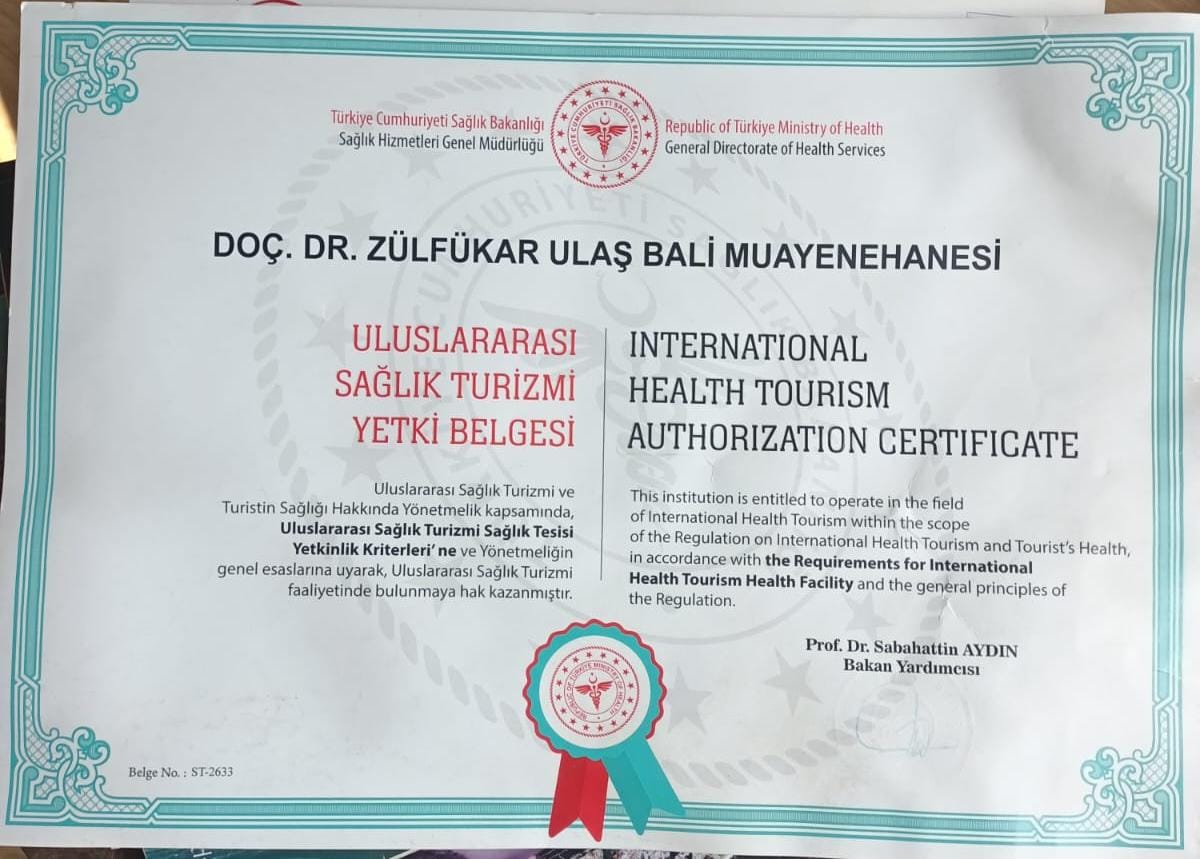
Assoc. Prof. Dr. Ulaş Bali and his team provide clear aftercare instructions and follow up throughout the recovery period, including for international patients who return home after surgery. You can learn more on our liposuction page or contact the clinic with any questions.
Frequently Asked Questions
How long do I need to wear a compression garment after liposuction?
Most patients wear a compression garment for four to six weeks. The exact duration depends on the areas treated and the surgeon’s recommendation.
When can I go back to work after liposuction?
Desk based work is often possible after about one week. Physically demanding jobs may require two to four weeks off.
Why do I look bigger after liposuction?
Swelling in the first weeks can make the treated area look temporarily larger. This settles gradually over the following months.
When can I exercise after liposuction?
Light walking is encouraged from the first days. Gentle exercise is often allowed after three to four weeks, and full training after around six weeks.
Is it normal to feel lumps after liposuction?
Yes. Firm or uneven areas are common in the first weeks and usually soften with time and lymphatic drainage massage.