Creating a more sculpted body is one of the most common goals in modern fitness and aesthetic care. Many people want a rounder buttock shape, a more defined waist, or fuller body proportions, and naturally the first question they ask is whether workouts alone can create those changes. The answer is not completely simple. Exercise can improve muscle tone, posture, firmness, and overall body composition, but body shape and body volume are influenced by more than effort alone.
People often assume that if they train consistently, their body will eventually match the shape they have in mind. In reality, some changes are highly responsive to exercise, while others depend on anatomy, genetics, fat distribution, and skin quality. This is why one person may achieve a noticeably lifted and toned appearance through training, while another may still feel that certain areas look flat, loose, or unbalanced despite doing all the right things.
How Workouts Affect Body Shape
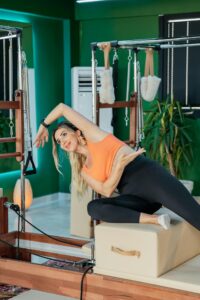
Workouts can absolutely improve the body. Resistance training helps build muscle, and when muscle develops, the body often appears firmer and more athletic. In areas such as the glutes, thighs, shoulders, and core, targeted exercise can enhance definition and improve posture, which also changes visual appearance.
For example, glute-focused training can help the buttocks look stronger and slightly fuller. Core work can support the waistline by improving posture and abdominal control. Lower-body training can make the legs look tighter and more balanced. These are meaningful improvements, and for many people, they are enough to feel more confident.
Still, workouts mostly develop muscle. They do not directly add fat volume, tighten significantly stretched skin, or completely change the natural structure of the pelvis, ribcage, or body frame. That is why exercise can improve shape to a point, but not always in the dramatic way people expect.
Why Body Volume Is Different from Muscle Growth
One of the biggest misunderstandings in body aesthetics is confusing muscle gain with volume gain. Muscle growth can increase firmness and support, but visible body volume also depends on fat placement, tissue thickness, and natural proportions. A person may build stronger glutes but still feel they do not have the projected or rounded contour they want.
This difference becomes especially clear in the buttocks. Training can strengthen the glute muscles and improve the lower-body silhouette, but it may not create the same roundness or fullness that some people expect from photos they see online. In many cases, what people describe as “more volume” is not just muscle. It is also related to the way the body carries fat and how the surrounding areas, such as the waist and hips, frame that region.
That is why workouts alone do not always create curves in the way people imagine. They can improve the foundation, but they do not always change the full contour.
Why Results Differ from Person to Person
No two bodies respond in exactly the same way. Genetics influence where the body stores fat, how easily muscle develops, how the skin retracts, and what kind of proportions look natural on each person. Hormonal patterns, age, pregnancy history, and major weight changes also affect the final appearance.
This explains why someone who follows the same training routine as another person may get very different results. One individual may naturally develop more visible lower-body fullness, while another may mainly see tighter legs and stronger muscles without much visible volume change. Neither outcome is wrong. They are simply different bodies responding differently.
Understanding this can prevent frustration. Many people think they are failing when they do not get a certain look from exercise alone. Often, the truth is not that they are doing something wrong, but that their body has a different structural starting point.
When Exercise May Not Be Enough
Exercise is an excellent tool, but it has limits. If the main concern is loose skin after pregnancy or major weight loss, workouts alone may not fully solve the issue. If a person has naturally flat buttocks, narrow hips, volume loss in the breasts, or stubborn fat distribution, training may improve tone without creating the contour they want.
This is where some people begin exploring body contouring or aesthetic procedures. The goal is not to replace exercise, but to address issues that training alone cannot completely fix. Procedures that reshape, tighten, or restore volume are often considered by patients who already live actively but still feel that certain features do not match their effort.
That does not mean surgery is necessary for everyone. It simply means that body shape and body volume are more complex than fitness alone.
The Role of Aesthetic Options in Creating Curves
Modern aesthetic procedures are usually most effective when they are used to refine proportion rather than create an exaggerated result. Liposuction, fat transfer, tummy tuck surgery, and buttock shaping procedures can help improve contour in selected patients. The purpose is often to create a more balanced silhouette, restore lost volume, or improve transitions between body areas.
A person who wants a more defined waist and fuller buttock shape, for example, may benefit from an approach that combines contouring with long-term fitness. Exercise can maintain muscle quality and support the overall result, while aesthetic treatment can address structural or volumetric concerns more directly.
Assoc. Prof. Dr. Ulaş Bali emphasizes individualized assessment in body contouring because the best plan depends on anatomy, tissue quality, and aesthetic goals. What works well for one patient may not be appropriate for another.
A More Realistic Way to Think About Curves
The healthiest way to approach body shape is to separate what exercise can do from what it cannot do. Workouts can absolutely make the body stronger, firmer, and more athletic. They can help create a better foundation and improve visual tone. But when it comes to curves, volume, or major contour changes, anatomy and tissue structure still matter.
Instead of asking whether workouts alone can create curves for everyone, a better question is whether workouts can improve your own body in a meaningful way. In most cases, the answer is yes. The next step is deciding whether that improvement matches your aesthetic goal.
Conclusion
Workouts alone can create visible improvement, but they do not affect every part of body shape and volume equally. Muscle can be built, posture can improve, and contours can become firmer. However, natural structure, fat distribution, and skin quality still influence the final look.
For some people, exercise is enough to create the changes they want. For others, workouts build a strong base, but not the exact shape they are hoping for. That is why realistic expectations and personalized planning matter. The best result is not always about doing more. It is about understanding what your body can achieve naturally and what may require a different kind of support.