
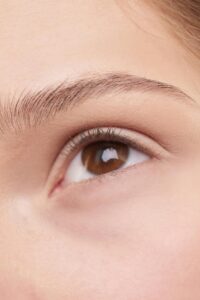
The eyes are often the first area of the face where signs of aging, tiredness, or heaviness become noticeable. Even subtle changes around the eyelids can affect how a person looks and how they feel about their appearance. For some people, the concern is cosmetic. They feel they look more tired, older, or heavier around the eyes than they really are. For others, the issue is not only visual but functional, especially when excess upper eyelid skin begins to interfere with comfort or field of vision. This is why eyelid surgery is performed for both aesthetic and functional reasons.
Eyelid surgery, also known as blepharoplasty, is one of the most frequently discussed facial procedures because the eyelid area has such a strong influence on expression. The eyes communicate alertness, energy, softness, and emotion. When the upper or lower eyelids begin to change, the whole face can seem less vibrant even if the rest of the features remain relatively youthful.
What Eyelid Surgery Is Designed to Address
Eyelid surgery is generally performed to improve excess skin, puffiness, or changes around the upper and lower eyelids. In the upper eyelids, patients may notice heaviness, hooding, or skin that folds more than it used to. In the lower eyelids, the main concern is often puffiness, tired-looking fullness, or under-eye changes that create a fatigued expression.
The procedure is not only about making the eyes look “different.” It is usually about restoring a lighter, more open, and more refreshed appearance. This is one reason why eyelid surgery often creates a result that feels meaningful even when the visible change is relatively subtle.
Aesthetic Reasons Patients Consider Eyelid Surgery
Aesthetic concerns are one of the most common reasons patients begin researching eyelid surgery. Many say they look tired all the time, even when they are not. Others feel the upper eyelids make them look older or heavier around the face. Lower eyelid puffiness can also create the impression of stress, fatigue, or age even in patients who otherwise feel well.
Because the eye area is so central to facial expression, relatively small changes can have a strong visual effect. When the eyelids are lighter and smoother, the whole face may appear more awake and more balanced. This is why eyelid surgery is often considered one of the most effective ways to refresh the face without dramatically changing identity.
Patients who seek eyelid surgery for aesthetic reasons are usually not trying to look like someone else. More often, they want to look less tired and more like the version of themselves they still feel internally.
Functional Reasons Eyelid Surgery May Be Considered
In some patients, eyelid surgery is considered for functional reasons rather than appearance alone. Excess upper eyelid skin can sometimes create a heavy sensation or interfere with how open the eyes feel. In more advanced cases, it may affect the upper field of vision or make certain daily activities less comfortable.
Patients in this group may say they constantly feel the need to lift their brows or forehead in order to compensate for heaviness. Over time, this can create tension or contribute to a fatigued feeling around the eyes. In these situations, eyelid surgery is not simply about looking better. It is also about improving comfort and function.
The distinction between aesthetic and functional surgery is not always absolute. Many patients experience both kinds of concerns at the same time.
Why the Eye Area Changes Over Time
The eyelid area changes with age because the skin is delicate, the tissues are thin, and the structures around the eyes respond visibly to gravity and time. Some people also have a strong genetic tendency toward puffiness or heaviness, which means eyelid concerns may appear earlier or more prominently regardless of overall age.
This is why eyelid surgery is not limited to one age group. Some patients begin asking about it earlier because the anatomy around their eyes naturally creates a tired expression. Others only begin noticing changes later as aging becomes more visible in the upper face.
What matters most is not age alone, but the degree to which the eyelid area affects appearance or comfort.
What Makes Eyelid Surgery Different from Other Facial Procedures
Eyelid surgery is unique because it affects one of the most expressive and delicate parts of the face. The goal is not simply tightening. It is refinement. The eyes should still look natural, relaxed, and appropriate to the patient’s face. Overcorrection or a generic result can look unnatural very quickly in this area.
That is why surgical restraint and individualized planning are essential. A good eyelid result usually makes the patient look fresher without making the surgery itself obvious. Friends or family may say the person looks better rested, not necessarily that they had an operation.
Assoc. Prof. Dr. Ulaş Bali emphasizes individualized facial planning because procedures around the eyes should always preserve natural expression while improving heaviness, puffiness, or visual fatigue.
Who May Be a Good Candidate?
A good candidate for eyelid surgery is typically someone who is bothered by visible upper lid heaviness, lower lid puffiness, or both. They may feel their eyes no longer reflect how energetic or alert they feel. In functional cases, they may also notice that excess skin physically affects comfort or sight in daily life.
The best candidates usually have realistic expectations. They understand that eyelid surgery can improve the appearance of the eye area significantly, but it does not turn the face into a different face. It refines, opens, and refreshes rather than transforms completely.
Conclusion
Eyelid surgery is performed for both aesthetic and functional reasons. Some patients want to reduce heaviness, puffiness, or tired-looking features around the eyes. Others need improvement because excess eyelid skin affects comfort or visual field. In many cases, both motivations exist together.
Because the eye area plays such a major role in expression, even relatively focused improvement can make a meaningful difference. When planned carefully and performed with attention to natural facial balance, eyelid surgery can help patients look more refreshed, more open, and more comfortable without losing the identity of their expression.